
When most people think of great wine regions, France, Italy, California, and Argentina usually come to mind. Mexico rarely makes the list, but that is beginning to change. Located in the northern part of Mexico's Baja California peninsula, Valle de Guadalupe has become the country's leading wine-producing region, earning international attention for its distinctive wines, talented winemakers, and thriving food culture. Often called the "Napa Valley of Mexico," this growing wine destination has a personality all its own.
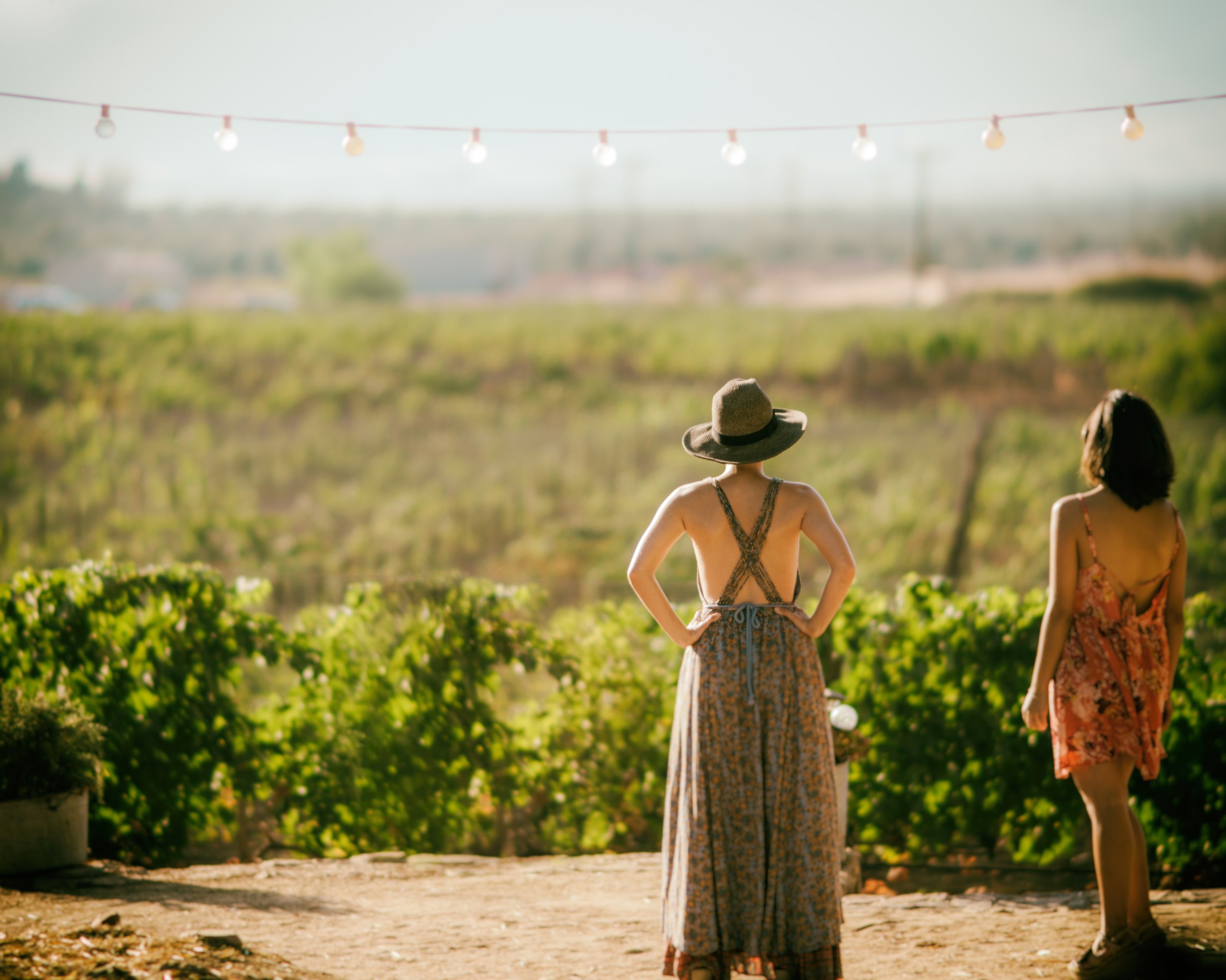
Just northeast of the coastal city of Ensenada and roughly 90 miles south of San Diego, Valle de Guadalupe enjoys a Mediterranean-style climate remarkably well-suited to growing wine grapes. Warm, sunny days encourage grapes to ripen fully, and cooling breezes from the nearby Pacific Ocean help moderate temperatures. The region's dry conditions and varied soils, ranging from sandy and rocky to clay-rich, create opportunities for winemakers to produce wines with concentrated flavors and distinctive character. These conditions have helped establish Baja California as the center of Mexico's modern wine industry.
Mexico's winemaking history actually stretches back nearly 500 years, beginning with the arrival of Spanish settlers and missionaries in the 16th century. Wine production eventually made its way to Baja California, where missionaries established vineyards during the 18th and 19th centuries. In 1888, Bodegas de Santo Tomás was founded, becoming Baja California's first commercial winery. Another important chapter began in the early 1900s when Russian Molokan immigrants settled in Valle de Guadalupe. Initially focused on growing wheat and other crops, these settlers eventually planted vineyards, contributing to the agricultural foundation of the region's modern wine industry.
Despite this long history, Valle de Guadalupe's rise as an internationally recognized wine destination is relatively recent. Large producers such as L.A. Cetto helped establish the region's commercial reputation during the 20th century, and a new generation of smaller, independent wineries began gaining prominence in the 1980s and 1990s. Today, the valley is home to an impressive collection of established wineries, boutique producers, and family-owned vineyards. Many of these winemakers bring experience from Europe, California, and other renowned wine regions, combining traditional techniques with a willingness to experiment.
One of the most interesting characteristics of Valle de Guadalupe is its remarkable diversity of grape varieties. Cabernet Sauvignon, Merlot, Tempranillo, Syrah, Grenache, and Nebbiolo are among the reds grown throughout the region. The area's abundant sunshine helps produce rich, concentrated red wines, often with ripe dark fruit flavors and bold structures. Winemakers frequently experiment with blends, combining varieties traditionally associated with different European wine regions. This creative approach has become one of the defining characteristics of Mexican wine, giving producers the freedom to develop their own distinctive styles.
White wines have an equally important place in Valle de Guadalupe's growing reputation. Chardonnay, Sauvignon Blanc, and Chenin Blanc are cultivated throughout Baja California, producing wines that range from bright and refreshing to rich and full-bodied. Depending on vineyard location and winemaking techniques, Chardonnay can showcase crisp citrus and green apple flavors or develop more tropical fruit characteristics and a creamy texture. These wines demonstrate that Baja California has plenty to offer beyond its powerful reds, particularly for wine drinkers who appreciate expressive, food-friendly whites.
Wine isn't the only reason Valle de Guadalupe has attracted international attention. The region has developed a thriving culinary scene built around fresh Pacific seafood, locally grown produce, olive oil, and regional Mexican ingredients. Restaurants throughout the valley emphasize seasonal cooking, often pairing locally produced wines with dishes inspired by both traditional Baja cuisine and Mediterranean influences. Visitors can spend their days tasting wines at small family-run vineyards, enjoying meals overlooking the vines, and experiencing a hospitality culture that places food and wine at the center of the experience.
With its growing popularity comes the challenge of protecting the land that makes these wines possible. Valle de Guadalupe is a relatively dry region, and water availability remains a serious concern for vineyard owners and the surrounding agricultural community. Many producers are examining vineyard management practices, irrigation methods, and other approaches to conserve limited resources. The future of this wine region will rely not just on producing exceptional bottles, but on preserving the agricultural traditions and natural conditions that have allowed its wine industry to flourish.
For wine enthusiasts looking to try something outside the familiar regions of Europe and California, Valle de Guadalupe offers an exciting opportunity. Its combination of history, international influences, diverse grape varieties, and independent winemaking spirit has helped Mexican wine earn a place on the world stage. We’re featuring many wines for the region, please ask us to show them to you!