

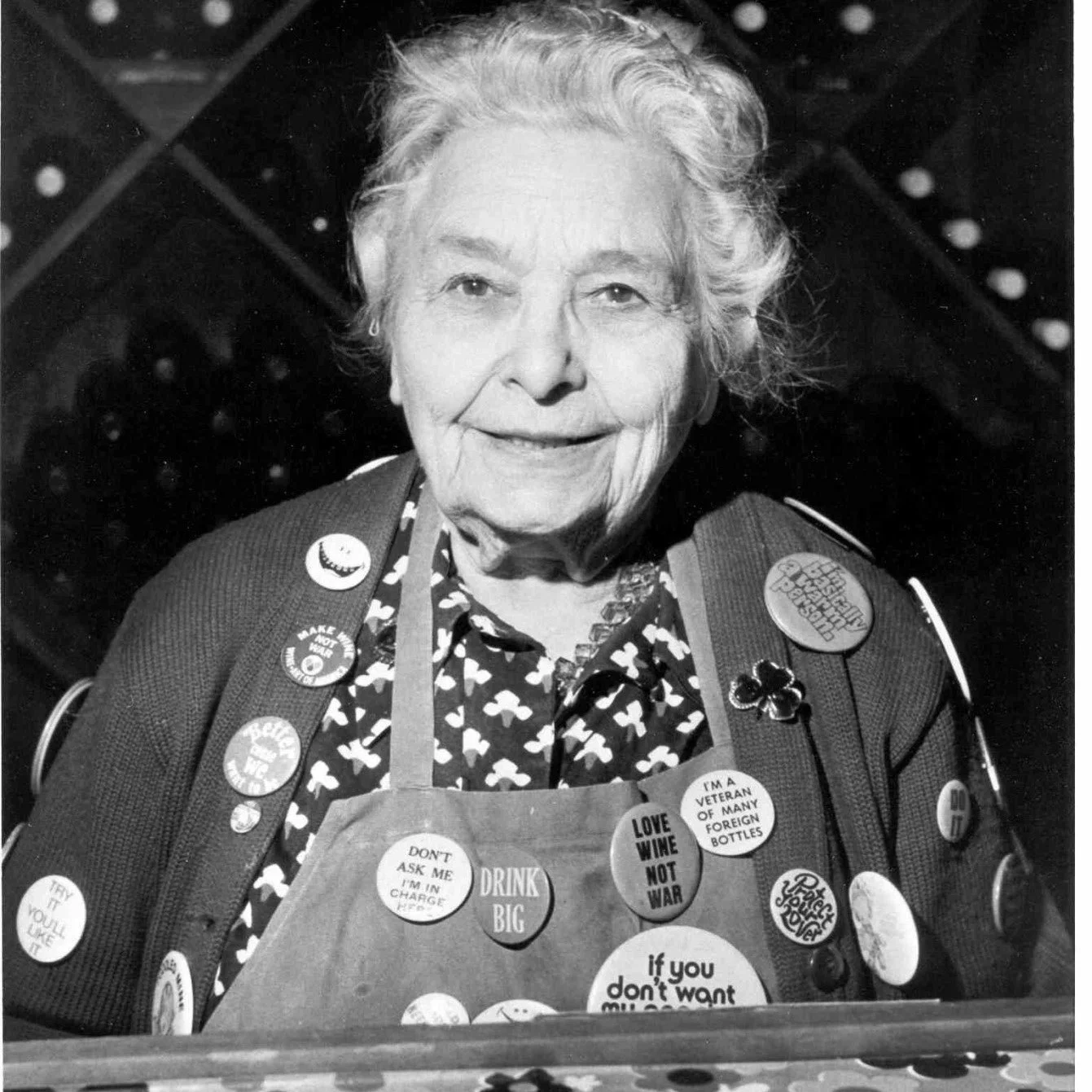
The Woman Who Kept Sonoma Wine Alive
The story of Simi Winery is inseparable from the remarkable life of Isabelle Simi, one of the most influential figures in early California wine. Born in 1886 to Italian immigrant winemaker Giuseppe Simi, Isabelle grew up surrounded by the rhythms of vineyard life in Sonoma County. When her father and uncle—who had founded Simi Winery in 1876—died suddenly in 1904, the winery passed into the hands of an unlikely successor: an 18-year-old woman. At a time when the wine industry was overwhelmingly male-dominated, Isabelle stepped into leadership and proved she had both the business instincts and determination to keep the family winery thriving.
One of Isabelle’s earliest decisions demonstrated her foresight. She reinforced and expanded the winery’s stone cellars shortly before the devastating 1906 San Francisco earthquake shook Northern California. While many wineries lost their stored wines during the disaster, Simi’s reinforced cellars helped protect its inventory. Isabelle’s greatest test, however, arrived with Prohibition in the United States beginning in 1920. Like many wineries, Simi faced an existential threat as alcohol production was banned nationwide. Rather than closing the winery, Isabelle kept operations alive by producing sacramental wine for churches and quietly storing barrels in the cool cellars, waiting for the day when legal wine production could return.
When Prohibition ended in 1933, Isabelle was ready. She helped pioneer one of Sonoma County’s earliest wine tasting experiences, famously welcoming visitors into a tasting room built around a giant redwood wine cask. Long before “wine tourism” became a major industry, travelers were already stopping in Healdsburg to taste Simi wines and meet the charismatic woman behind them. Isabelle remained involved in the winery well into her later years and ultimately sold the business in 1970 after more than six decades of leadership. She passed away in 1981 at the age of 95, leaving behind a legacy of resilience, innovation, and female leadership that helped shape modern California wine.